EV basics – the future is electric
We cover which EVs are available, what you need to know about electric cars and their features and some of the benefits of driving an EV. Plus, you'll learn about the different sustainable technologies that are fuelling our vision for decarbonisation. Discover how making the switch to EVs can have a positive impact on your home, work, family holidays and community.
You’ll hear us refer to electric cars, and more broadly electric vehicles, as EVs. As the name suggests, these vehicles are powered by electricity rather than petrol and investing in an EV can help you save money, look after our environment and make sure you and your family are future ready.
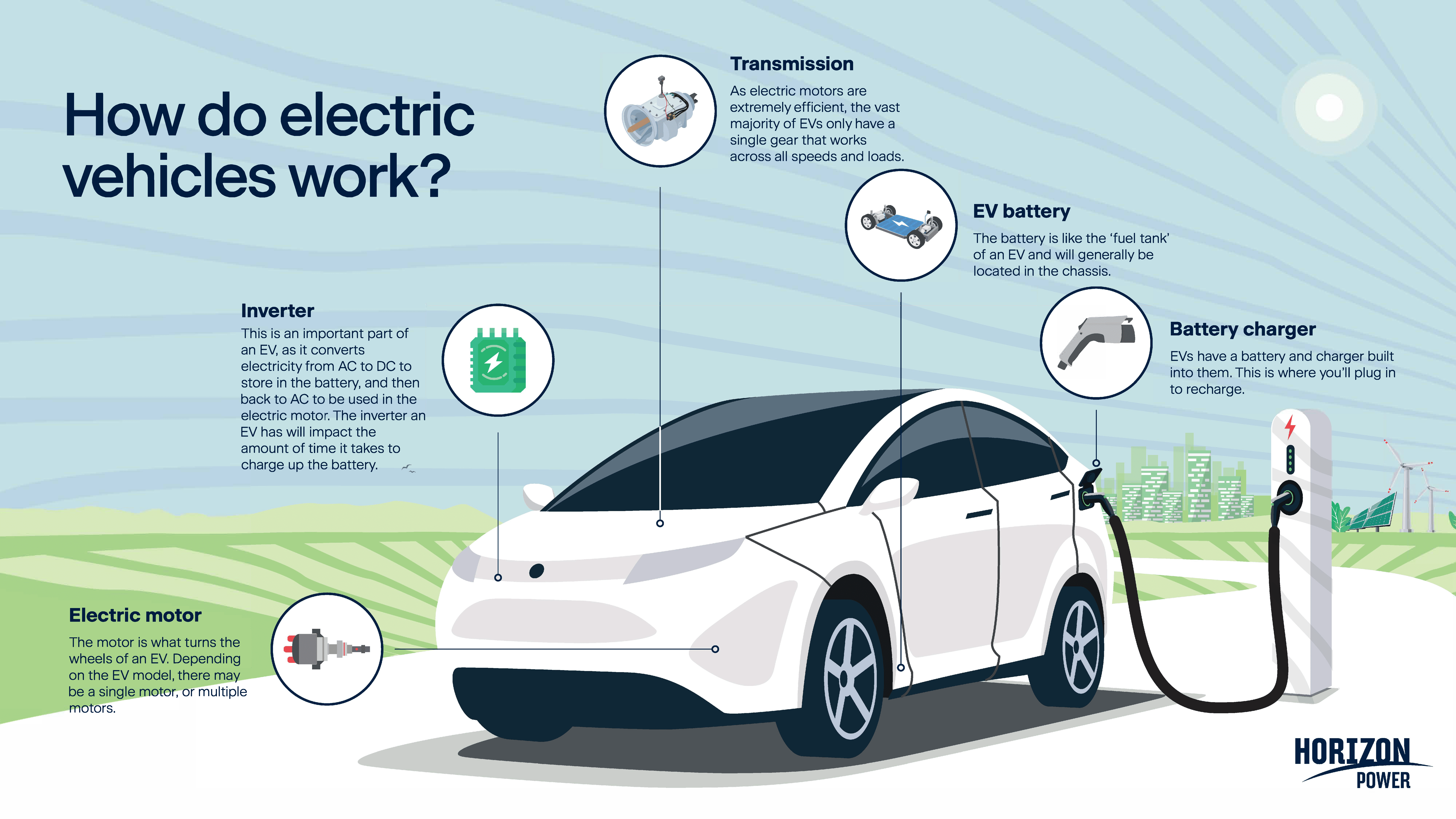
What to consider before making the switch
What type of EV do you need?
Consider the type of electric vehicle. There are a range of electric vehicles that may not be fully electric, like hybrids and plug-in hybrids. Depending on your driving requirements, including travel distances, you may consider hybrid vehicles meet your longer range driving needs.
How far will you be driving?
Day-to-day driving in the regions usually means more kilometres than driving in the city, so make sure you consider how you'll be using your EV and your daily distances before purchasing. If you decide to choose a 100% electric vehicle and regularly travel long distances, you’ll just need to ensure that there’s a working charger along the way. With 110 charging points in 49 locations, we've got your covered from Kununurra to Mundrabilla.
Where will you charge?
Most EV drivers will decide to install a fast charger in their home so they can charge at their convenience, weekly or overnight depending on the distances they drive. Generally you’ll need a garage for home charging. If you can’t install the charger at your home or can’t easily access a power outlet, then you’ll need to consider access to public electric vehicle chargers, and make sure that you have one nearby.
Which EV is right for me?
Not every EV is created equal. There are several types of EVs available which all work a little differently from each other.
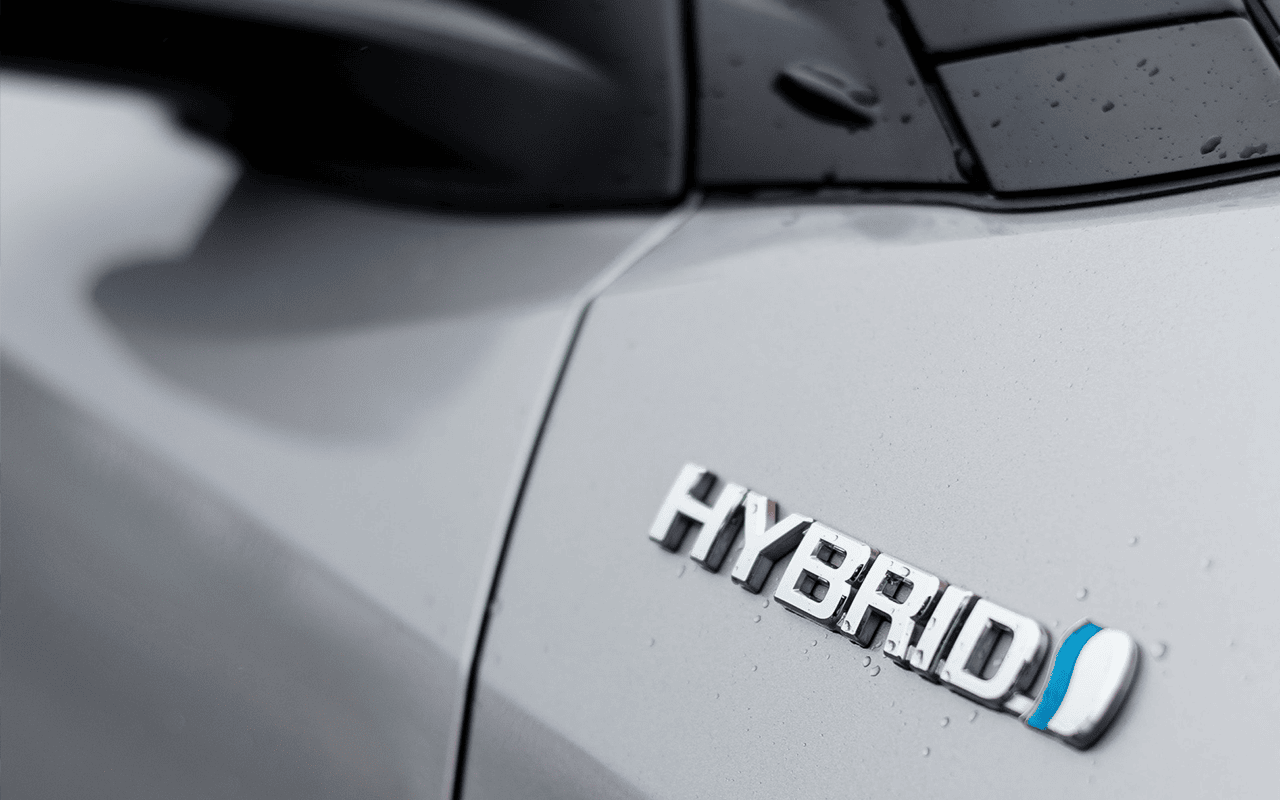
Hybrid Electric Vehicle
|
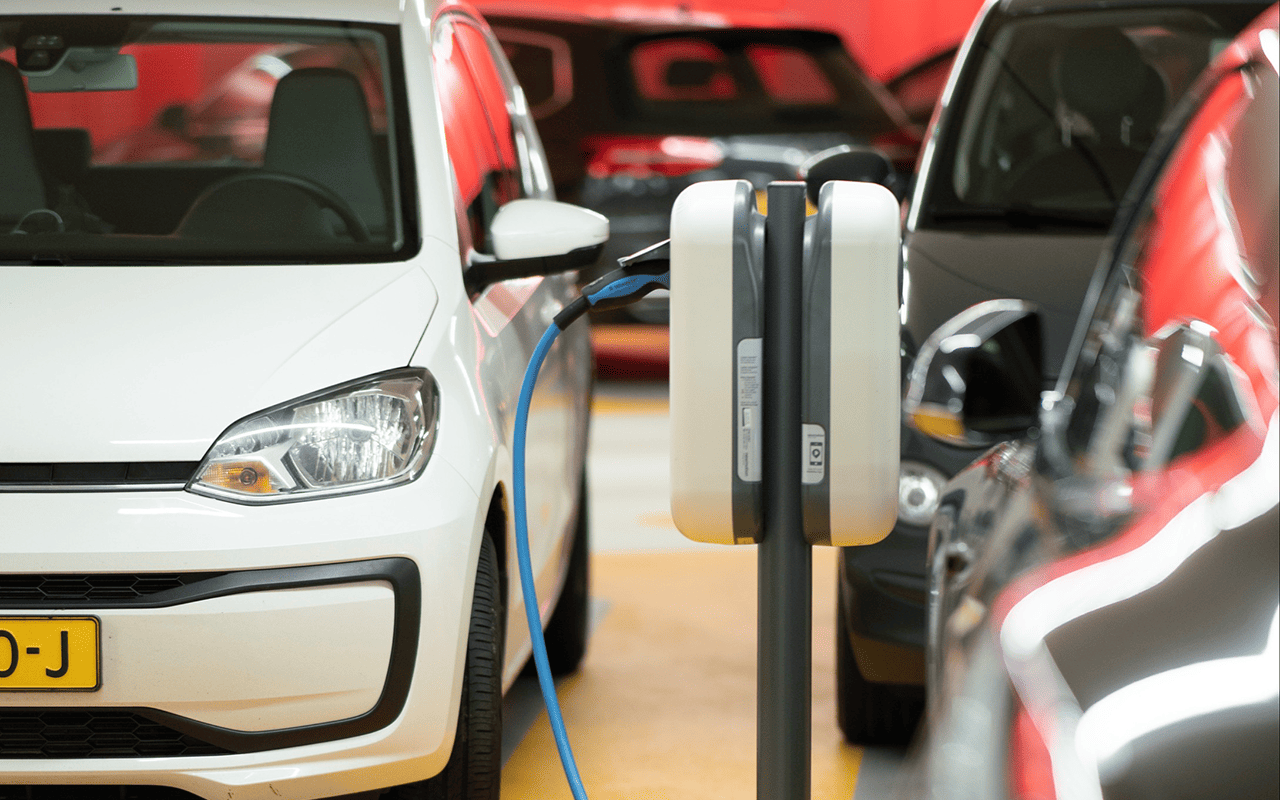
Plug in Hybrid
|
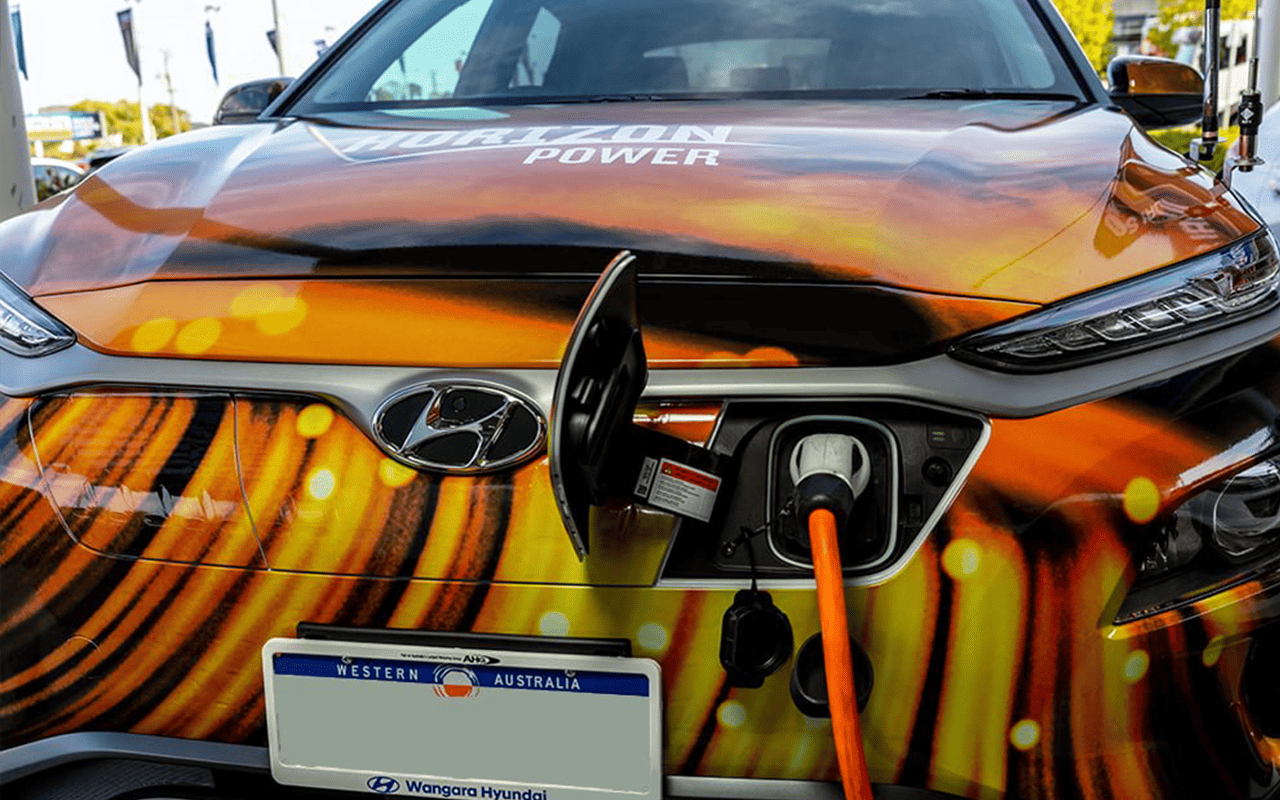
Battery Electric Vehicles
|
 |
 |
 |
| For those who still want their petrol reserve. | For those who want the best of both worlds. | For the 'all or nothing' EV lover who wants to go 100% electric. |
|
The most common type of electric car available so far - using both an electric motor and combustion engine to drive the car. Some hybrids use the engine to charge up a battery pack to power an electric motor. Other types use the electric motor to accelerate and then switches to the engine once crusing speed is reached. |
Similar to a HEV but with one important difference... it can be plugged in to an external power source to charge the battery. In addition, a plug in hybrid has a longer range in electric mode, better fuel efficiency and less overall carbon emissions compared to a HEV.
|
What most people think of when it comes to ‘Electric Vehicles’. Powered 100% by electricity, using a battery pack to store the power that powers an electric motor. BEVs can typically travel from 300km to 400km+ depending on the battery capacity.
|
|
Key parts |
Key parts Internal combusion engine Electric motor Battery |
Key parts |
| Energy source Petrol/diesel |
Energy source |
Energy source Electricity |
|
Tailpipe carbon emissions |
Tailpipe carbon emissions |
Tailpipe carbon emissions |
|
Think... |
Think... |
Think... |
Meet the (other) EV experts
Want to know more about buying, driving or charging you EV in Western Australia? Check out our resources including our complete guide to EVs in WA.
AEVA
The Australian Electric Vehicle Association (AEVA) is a volunteer run, not-for-profit organisation committed to driving the transition of Australia’s transport networks to electric, as soon as possible.
Plugshare
If you’re looking to find and review charging stations, PlugShare is the free app to do it with. Plugshare allows you to connect with other EV owners and explore the charging points and locations across Australia.
The Driven
For those who want to know more about the various developments in the worldwide EV market and the latest news in Australia, The Driven has you covered.
The REV Project
For more research closer to home, the UWA Renewable Energy Vehicle Project (REV) hopes to revolutionise transport by building zero emission and driverless vehicles, with charging networks powered from renewable sources.
Horizon Power acknowledges the Traditional Custodians throughout Western Australia and their continuing connection to the land, waters and community. We pay our respects to all members of the Aboriginal communities and their cultures; and to Elders past, present and emerging.
Aboriginal and Torres Strait Islander people are advised that this website may contain images, names or voices of deceased people.