
For your safety, call us on
- Call 13 23 51 to report fallen powerlines, faults and outages.
- In an emergency, call 000.
Start here to keep your household safe
Talk about safe electricity habits and put them into practice
- Make sure everyone knows what to do – and what NOT to do – when using electricity.
- Have an emergency plan in place in case of a dangerous situation such as an injury, shock or house fire.
- Don’t touch electrical appliances if you are wet or near water.
- Never touch anything electrical with wet hands or bare feet.
- Never leave an electrical appliance where it can fall into the bath or basin.
- Never leave an electrical appliance unattended around children.
- Switch off and unplug all portable electric appliances, such as hairdryers, hair straighteners, shavers after use.
- Do not use portable heaters in your bathroom. You might want to have a strip heater installed high on the wall or a ceiling unit installed by a registered electrical contractor.
- Be extremely careful when using electrical appliances near sinks or baths.
- Immediately dispose of any electrical appliance that has been immersed in water.
- Wear rubber or plastic soled shoes when using electrical appliances in laundries, on concrete floors or outdoors. Many victims of serious and fatal electrical accidents are barefooted.
- Never use portable appliances, power tools or extension leads in water or when it is raining.
- Make sure your outdoor power points are weatherproof, approved and suitable for outdoor use.
- Do not use extension leads or power leads in wet areas – unless they are specifically designed for that purpose.
- If you have a generator, use it on a dry surface and make sure it never gets wet. It should also have an isolation switch.
- Never use portable appliances, power tools or extension leads in water or when it is raining.
- Make sure your outdoor power points are weatherproof, approved and suitable for outdoor use.
- Do not use extension leads or power leads in wet areas – unless they are specifically designed for that purpose.
- If you have a generator, use it on a dry surface and make sure it never gets wet. It should also have an isolation switch.
- Never use an ageing or faulty electrical appliance including an appliance with a frayed cord, cracked or broken plug, or any appliance that has given someone any kind of shock.
- Turn off power points and appliances when you’re not using them, or if you’re leaving home.
- If you have a faulty electrical appliance, don’t risk your life trying to investigate the fault or repair it yourself. Contact a qualified repair technician or a licensed electrician.
- Do not touch or attempt to repair a loose, cracked or broken power point switch. Cover it immediately and arrange for a licensed electrician to replace it.
- Avoid ‘piggybacking’ adaptors, instead, use a power board with a built-in safety device.
- Service and store your appliances as recommended by the manufacturer’s instructions.
- Make sure your appliances have adequate breathing space so they don’t overheat.
- Switch the power off at the main switch if you are doing any household maintenance or renovations.
- Don’t remove light fittings, switches, or power points yourself (e.g. for painting). These are connected to live wires even when switched off.
- Don’t use metal ladders, metal scaffolds or metal painters’ trestles when working close to wiring, as these conduct electricity.
- Don’t make contact with your electrical cabling when nailing and fixing metal roofing and tile battens.
- When you’re choosing your outdoor lights and power points, check that they are weatherproof, approved and suitable for outdoor use. Make sure you book a licensed electrical contractor to install these.
To keep your household safe, consider these simple electrical safety devices for your home.
- Safety switches - If your house was built before 1992, you might need to invest in safety switches for your power and lighting circuits. These are designed to protect against electric shocks by switching off the power supply within a fraction of a second when an electrical fault occurs.
- Smoke alarms - Every home should have smoke alarms installed. You should test your smoke alarms weekly, by pushing the test button with the end of a broom. And don’t forget to change your smoke alarm battery every year.
- Safety plugs - If you have children, install some safety plugs or power point covers. They’re easy to use, don’t cost a lot, and insert directly into empty power sockets so children can’t push things they shouldn’t into your power sockets.
- Surge protectors - These can help prevent electrical damage to appliances in your home that are caused by power surges.
- Fire blankets and extinguishers - You can buy approved fire blankets and portable extinguishers from most hardware stores. Choose an extinguisher that’s right for your intended use (e.g. cooking oil and fat fires) and don’t forget to read the instructions so you know how to use them in an emergency.

Electricity near swimming pools can be fatal
If you receive an electric shock around a pool it is more likely to be fatal than other places because bare feet, minimum clothing and wet skin reduce your body's insulation and resistance.
Never use a portable electrical appliance or place an extension cord where it could be splashed or fall into the pool.
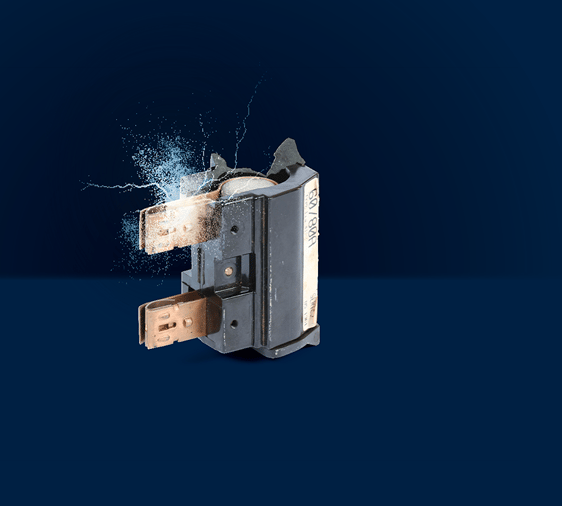
Don't pull or replace fuses
If your power has been cut off, you cannot reconnect it by replacing a fuse in your meter box.
If you pull or replace a fuse:
- Pulling a fuse will not get you free power
- It’s not safe to replace a fuse yourself
- Touching a network fuse is dangerous and you can be seriously injured.
If a fuse needs to be fixed or replaced, always call an authorised electrical contractor of Horizon Power.
Three more ways to protect your home...
Always use a licensed contractor
Electricity is dangerous. Don’t risk causing harm to you or your family by doing your own electrical work.
Use a Residual Current Device (RCD)
Electrical accidents can happen in an instant and RCDs can help to protect you and your family.
Know how to safely use generators
If you use a portable generator to provide a back-up power supply for lighting, refrigerators and other essential appliances during power outages, know how to use it safely.

Horizon Power acknowledges the Traditional Custodians throughout Western Australia and their continuing connection to the land, waters and community. We pay our respects to all members of the Aboriginal communities and their cultures; and to Elders past, present and emerging.
Aboriginal and Torres Strait Islander people are advised that this website may contain images, names or voices of deceased people.