Project overview
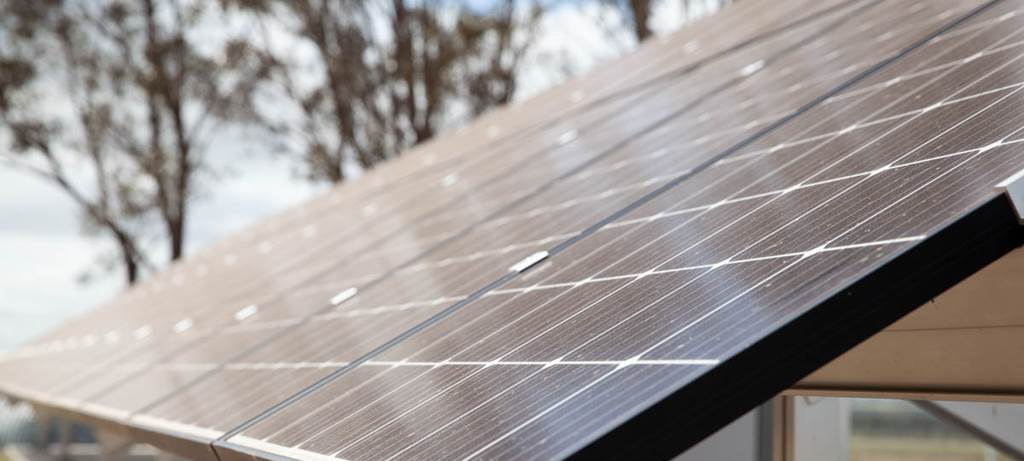
Solar PV is changing the way energy systems worldwide are operating, with the industry going through the most challenging transformation in its history. The demand for rooftop solar is increasing - and our customers want more choice and control over their electricity use.
With this three-year project, we aimed to identify the barriers to having a high penetration of Distributed Energy Resources into the future - and to find ways to overcome these barriers. We did this by monitoring the control of solar photovoltaic (PV) and energy storage in Carnarvon.
We wanted to explore how to make the most of our experience with distributed energy storage to equip our remote microgrids for more renewable energy.
Carnarvon
Complete
November 2017 - March 2020
The challenges
When undertaking this research, we had to consider:
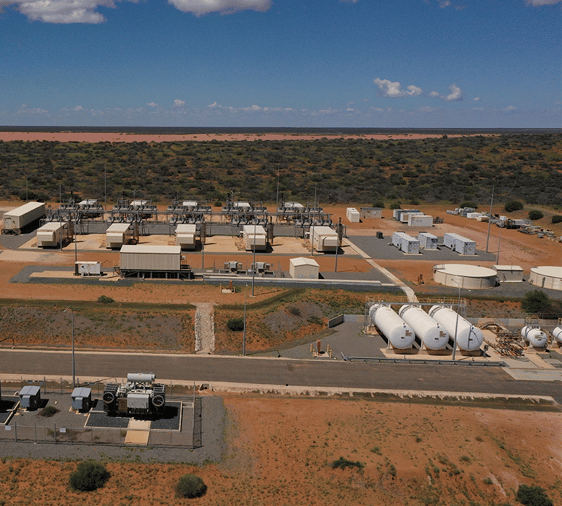
- Large number of small microgrids or non-interconnected electricity systems
- The high cost of supply to regional towns
- The smaller the system, the more vulnerable it is to high levels of solar installation
Using the latest energy tech
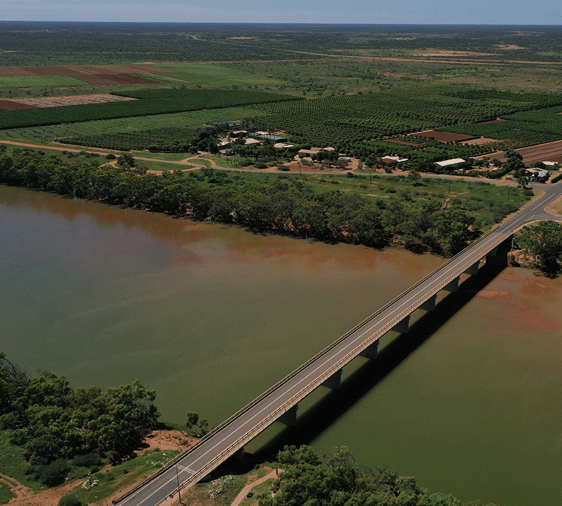
Our trials used virtual power plant technology to connect and coordinate customer PV systems and optimise the use of batteries. This had benefits for our customers and our Horizon Power systems.
We tested energy data gathering, sky camera and meteorological data gathering equipment, as well as forecasting systems, residential battery storage and inverters with remote monitoring and control devices.
We collected and analysed data from the trial to develop recommendations to better manage fluctuations in solar PV and battery systems.
The results
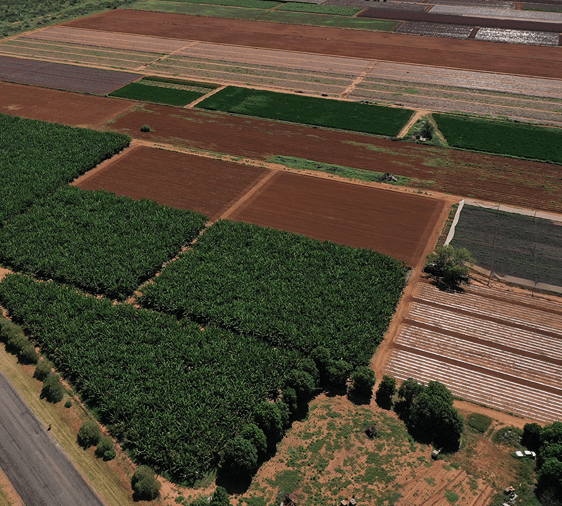
We have completed our reporting and recommendations to improve the way we manage Distributed Energy Resources as part of WA’s energy transition.
We learned more about the impact of large numbers of solar and battery systems connected to the network, which can help us to improve our products and services and increase solar rooftop capacity.
The research findings are available through the ARENA Knowledge Bank. Further reports will be added throughout 2021.
What did we learn

Ways to address network stability issues

Testing 100% renewable energy

Solar and weather forecasting
What does this mean for the community?
Solar solutions
We’ve been able to explore solutions to help more of our customers make the switch to solar energy and reduce energy bills.
Experienced providers
We're investing in low carbon innovation and demonstration projects to get experience with very high penetration levels of renewable energy on our networks.
Power supply
The research from this project could help to reduce the likelihood of power fluctuations caused from a high penetration of renewables and unexpected weather events.
Award-winning energy trial
- Energy Smart Communities Initiatives' (ESCI) Best Practice Awards
- Silver award in the Smart Grids category
- Shared with our research partners, Murdoch University
The award for this Distributed Energy Resources trial was presented at the Asia-Pacific Economic Cooperation meeting in Chile in October 2019.
The visualisation below is generated from data collected from the PV systems of trial participants; each coloured bar represents the renewable energy output of a PV system. The PV systems are different sizes, so they are shown here as 0 – 100% output. Together they are representative of approximately 3.3 MW of PV currently connected to the Carnarvon network. The data has been combined with sky camera and meteorological data to show the variations in solar PV generation as clouds move across the town on a typical cloudy day. This visualisation shows one day compressed into a minute and highlights the number of cloud events and the depth of impact on the renewable energy generated in one day.
The visualisation below shows a hypothetical DER Management System performing Feed-in Management at peak solar generation time when electrical demand is low. A temporary percentage limit is applied equitably to all the Feed-in Manageable systems.
Feed-in Management can be used to limit the power that solar systems are exporting back to the grid to preserve network power quality or prevent the generators from being damaged. Homes or businesses with batteries can use this Feed-in Management time to charge their battery or increase their electrical load, such as a pool pump or hot water heating. Developing and testing Feed-in Management strategies were part of the Carnarvon DER trials.
Our project team worked with Reposit Power in Canberra to develop modes of operation for Virtual Power Plant management of Distributed Energy Resources in a microgrid setting. This was done to explore how we could use this technology to address some of the power quality issues created by very high levels of renewable energy generation.
Held over three years, these Distributed Energy Resource trials tested distributed energy systems through a variety of behind-the-meter energy systems tests, which aimed to better understand how to manage the variability of renewable energy and its impact on the network. The aim is that ultimately, we can find ways to increase PV system penetration throughout all of our remote networks.
Trial participants recruited through a competition held in the town received a Distributed Energy Resources system consisting of solar panels, a solar inverter, battery and battery inverter, Distributed Energy Resource control technology and a Wattwatchers device so they can monitor their system performance. Six other trial participants on the Gibson feeder received battery systems to augment their existing PV systems.
In return for the equipment, participants gave us access to their system for three years so that we could test:
- Distributed Energy Resource visibility and control
- How much of their renewable energy they use in their house
- How they could use the battery to manage their peak demand and save money on their electricity bill
- How we can communicate with their PV and battery system to achieve orchestration of these assets as part of network optimisation
Each of our participants' systems were fitted with monitor and control technology that allowed us to gather PV and battery performance data. We married this data with weather data, power station performance and network operation data.
This trial allowed us to create a database of information for power system analysis during the work of the trials. The data collected data will only be accessible to industry partners who are working closely with Horizon Power and have entered into strict confidentiality agreements to ensure customer privacy.
Analysis of the data collected from the participant's Distributed Energy Resource systems provided valuable insight into the way fluctuations in solar PV generation impact the network operation by clearly showing the interaction between the solar PV inverters and the network.
Our research partners from Murdoch University's School of Engineering and Information Technology analysed the data and developed recommendations for improving control strategies to better manage the PV and battery systems.
Data collected from participants' DDistributed Energy Resource systems will be carefully analysed to develop control algorithms and integration techniques that can be used to better manage Distributed Energy Resources on our networks.
Our funding partner was the Australian Renewable Energy Agency (ARENA) through their Advancing Renewables Programme. Our research partners include Murdoch University, Solar Analytics, Wattwatchers, Energy Matters and Reposit Power.
Horizon Power acknowledges the Traditional Custodians throughout Western Australia and their continuing connection to the land, waters and community. We pay our respects to all members of the Aboriginal communities and their cultures; and to Elders past, present and emerging.
Aboriginal and Torres Strait Islander people are advised that this website may contain images, names or voices of deceased people.