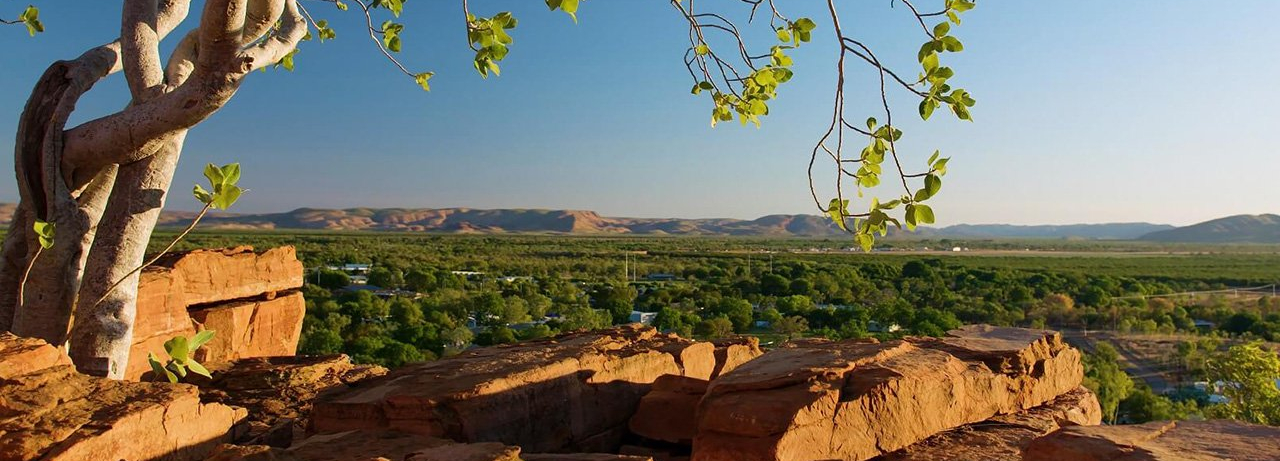
Project overview
We’re exploring options for Looma and Camballin to transition to more renewables and decrease carbon emissions. Since 2023, we’ve been engaging with local communities and Traditional Owners to determine long-term energy solutions that best meet the community’s need, using our Future Energy Framework as a guide.
Regions first
In progress
Driving lower emissions
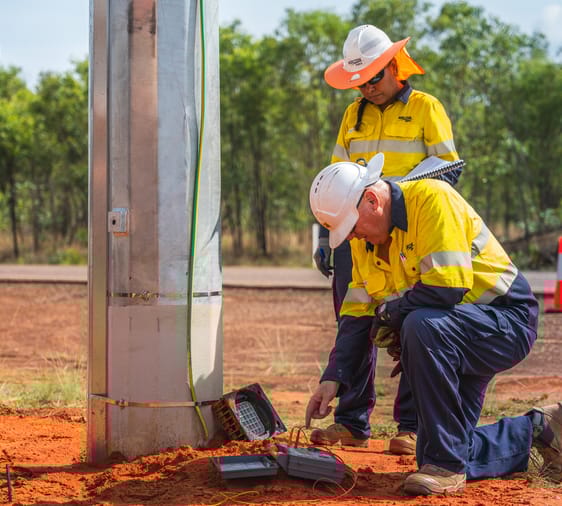
How does Looma and Camballin's current system work?
Looma and Camballin’s current energy system relies mainly on diesel generation, with only a small portion of the communities’ energy needs met by renewable sources such as rooftop solar.
This diesel-based system produces significant CO₂-equivalent emissions each year, highlighting the opportunity to transition to cleaner, more sustainable energy solutions for the community.
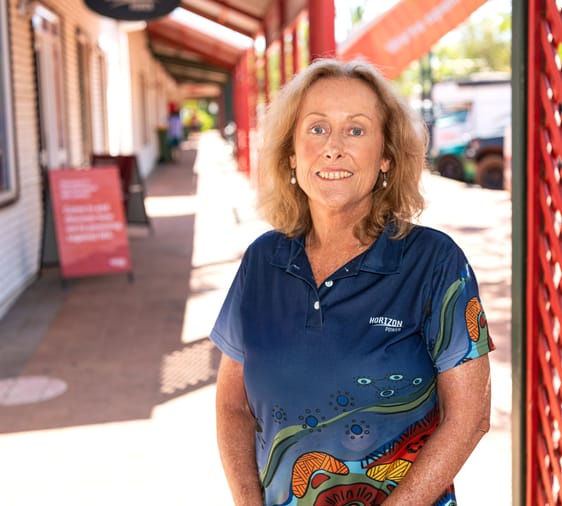
Community engagement
Communities are at the heart of our Future Energy System planning framework and ensure active participation among all stakeholders, including residents, Traditional Owners, businesses, and community groups throughout the process.
We consider community aspirations, existing infrastructure, and factors like land, heritage, and the environment to align planning with Looma and Caballin's unique characteristics.
Our approach includes informing, consulting, incorporating input, and communicating back to the community. A range of engagement methods will be used ensuring all stakeholders have an opportunity to contribute.
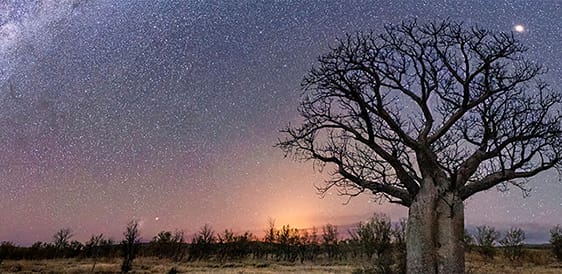
What's happening now?
We’re in the future energy systems options analysis phase. This includes financial assessment, market testing, engineering, land assessments, stakeholder engagement, project management, environmental and heritage due diligence activities.
We’ll continue to share updates and consult the community as planning progresses.
What does this mean for the community?
Energy solutions
Regions first
Ensuring we develop long-term solutions aligned with the unique characteristics and interests of the community.
Horizon Power is supporting the State Government’s commitment to reduce public sector emissions by 80% by 2030 and reach net zero by 2050. To help achieve this, we’re prioritising towns with higher carbon emissions that currently rely on diesel-powered generators.
In Horizon Power’s service area across regional and remote WA, Looma and Camballin are among the communities we're transitioning to cleaner energy and make a meaningful difference in reducing emissions.
Planning for a new energy system is complex and takes time. Each solution needs to be carefully designed to suit the specific needs of the community, which is why we started early conversations with residents, Traditional Owners and local stakeholders.
Through the deployment of Smart Connect Solar, supported by our Distributed Energy Resource Management System (DERMS), Looma and Camballin residents and businesses can now install rooftop solar safely and efficiently. This technology allows the community to participate more actively in the energy transition and helps increase the town’s renewable energy capacity as we work toward reducing reliance on diesel.
Communities are at the heart of our Future Energy System planning framework, and all members of the community are invited to provide their feedback.
A decarbonisation solution looks at cleaner energy sources such as solar and wind generation, coupled with battery energy storage solutions and consideration must be made to ensure the products are technologically and commercially readily available. In the initial stages of the project, we’ll assess which of these generation types are most viable for the community’s energy requirements.
As we progress the solution design for the future energy system, the technical considerations and economic viability may mean that some generation types cannot be part of the final solution. For example, wind is no longer an option for Looma and Camballin's future energy system
Community engagement helps us understand each town’s appetite for renewable energy, and feedback will inform the final solution. It’s important to note that while the new system may reduce reliance on fossil fuels, thermal generation may still play a role in meeting demand and supporting reliability during periods of low renewable generation or other challenging conditions.
We engage and inform local communities, Local Government Authorities, Traditional Owner groups and key stakeholders to determine long-term energy solutions that best meet their needs. This includes seeking support on acquiring land on which to build the generation facility. We work to balance the demand, reliability and future energy needs of our towns with the voices and opinions of those who help make it a community.
Renewable generation facilities such as a wind or solar farm require far larger footprints of land compared to a diesel- or gas-powered facility. The amount of land available determines the percentage of the town’s energy generated from renewable sources.
If we are unable to acquire land, we substantially reduce the amount of renewable generation options available for the town.
Planning for a future energy system is complex and takes time and community engagement to gather opinions and thoughts. If the recommended system is approved for delivery, construction would likely commence in 2028.
Your current power bills are set by tariffs that are heavily subsidised by the government. Introducing renewable energy generation as part of this project may reduce the cost of serving the community but will not directly affect your bills.
What's happening and when?
Here's a high level timeline of what to expect, subject to change as the project progresses.
We have four shortlisted vendors from suitably qualified and experienced organisations interested in entering into a long-term Power Purchase Agreement (PPA) to supply Horizon Power with electricity in the towns of Broome, Derby, Halls Creek, Fitzroy Crossing & Looma-Camballin through a closed tender process.
Horizon Power acknowledges the Traditional Custodians throughout Western Australia and their continuing connection to the land, waters and community. We pay our respects to all members of the Aboriginal communities and their cultures; and to Elders past, present and emerging.
Aboriginal and Torres Strait Islander people are advised that this website may contain images, names or voices of deceased people.