Energy savings tips

Together, we’re powerful

Whether you’re managing a household or managing a mullet (or both!) – we’re all part of WA’s transition to a cleaner energy future. When you understand how you use energy, you can then make simple changes to help reduce your power bill.

OLD IconSectionBlock - Replace with Icon Container Block
OLD IconCMSElementblock - Replace with Icon Container Block
OLD IconSectionBlock - Replace with Icon Container Block
OLD ImageTileBlock - Replace with Media Split Block

Explore more energy saving tips...

collapse icon
Tips to reduce your water heating costs...
  • Reduce the amount of water and electricity you use by having shorter showers and installing a water saving shower head.

  • Consider fitting flow restrictors to your bathroom, laundry and kitchen taps to reduce the amount of water that comes out.

  • Take advantage of the sun's free heating by installing a solar hot water system and placing it close to where most of the hot water is being used.
collapse icon
Fridge
  • Set your fridge temperature between 3°C and 4°C and your freezer temp between –15°C and –18°C.

  • Check the seals on your fridge door for air leaks. If you can slide a $5 note in the door frame, air is escaping – and energy is being wasted.

  • Dustbust the back of the fridge. Vacuum the dust from the condensor coil at the back of the fridge to help keep it running efficiently.

  • Defrost the freezer if the ice is thicker than five millimetres so your freezer can use less electricity to keep your food frozen.

  • Consider if you really need your second fridge. If you don't use it much, keep your drinks in the main fridge and just turn your second one on when you're entertaining. Or better still, use ice buckets.


Dishwasher
  • Only run your dishwasher when it’s full and use the ‘eco’ setting to lower its energy and water use.

  • Regularly clean your dishwasher filter to keep it running efficiently.


Washing machine & dryer
  • Wash with cold water and use the ‘eco’ setting to use less energy. Washing in warm or hot water uses around 50% more energy than washing in cold water - using a typical front loader machine.

  • Use your washing machine less by waiting until you have a full load.

  • Avoid the dryer. If you use your dryer regularly, it can account for up to 10% of your energy use.
collapse icon
Reduce your lighting costs...
  • Swap out your old lightbulbs for LED bulbs which use less watts to provide the same amount of light. LEDs use 75% less power and can last up to ten times longer than standard globes.

  • Get in the habit of turning lights off when you leave a room – or use natural light during the day when you can.


Appliances (like TVs & game consoles) 
  • Standby mode can account for up to 6% of your energy use. Your fridge and freezer need to stay running all day and night – but your TV, gaming consoles and microwave could be using electricity when they’re not in use, so remember to switch them off at the wall. 

  • Consider investing in a standby power control board to detect when an appliance is on standby and cut the flow of electricity automatically.
collapse icon
Tips for an energy efficient pool...
  • If you have a pool, set your pump on a timer. Running your pump for two hours less a day in winter could help you save on energy costs - always follow the manufacturer’s instructions.

  • A clogged filter means your pump needs to use more energy. Scoop leaves by hand, keep filters clean (or backwash as required) and make sure your filter is the right size for your pool.
collapse icon
By keeping your appliances in good working condition - like cleaning or changing filters - you could save hundreds a year.
  • Clean the filter on your air-con and you could save about $300 a year.
  • Check the seals on your fridge and freezer doors. If a five dollar note can fit between the seals, then cold air is leaking out and hot air is getting in. This means your fridge is working overtime and costing you money.
  • Vacuum the dust from the condenser coil at the back of the fridge - it could lead to an energy saving of 11%.

*Savings and figures should be used as a guide only. Always consider the energy star rating when purchasing new appliances. For more information, visit the WA Government household and business energy tips, www.energyrating.gov.au and  www.yourhome.gov.au/energy.

Keep track of your energy use

Learn more about how your household uses energy and how your electricity bill is calculated.
OLD IconSectionBlock - Replace with Icon Container Block

Consider these energy-saving investments

Here's some helpful online resources if you're ready to upgrade appliances or invest in your home's energy efficiency

OLD ImageTileContainerBlock - Replace with Media Card Container

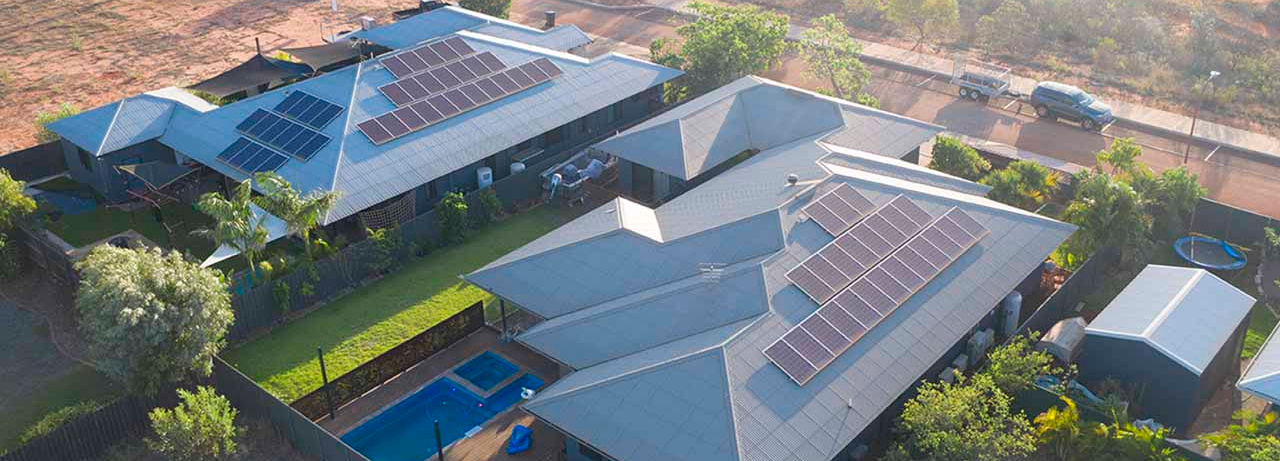
Installing solar comes at a cost, but over time it can make a big difference to your bill.

Horizon Power acknowledges the Traditional Custodians throughout Western Australia and their continuing connection to the land, waters and community. We pay our respects to all members of the Aboriginal communities and their cultures; and to Elders past, present and emerging.

Aboriginal and Torres Strait Islander people are advised that this website may contain images, names or voices of deceased people.